Pelvic Floor Exercises After Baby: A Complete Guide
Pelvic Floor Exercises After Baby: A Complete Guide
Leaking when you sneeze. Leaking when you jump. Leaking when you laugh too hard. The unspoken reality of postpartum life that no one warns you about—and that many moms just accept as their new normal.
Here’s what you need to know: pelvic floor issues after pregnancy are common, but they’re not inevitable forever. Your pelvic floor—the hammock of muscles supporting your bladder, uterus, and bowels—has been through a lot. Whether you had a vaginal delivery or C-section, pregnancy itself puts enormous strain on these muscles.
The good news? Your pelvic floor can heal and strengthen with the right exercises and attention. Let’s talk about what to do and how to do it.
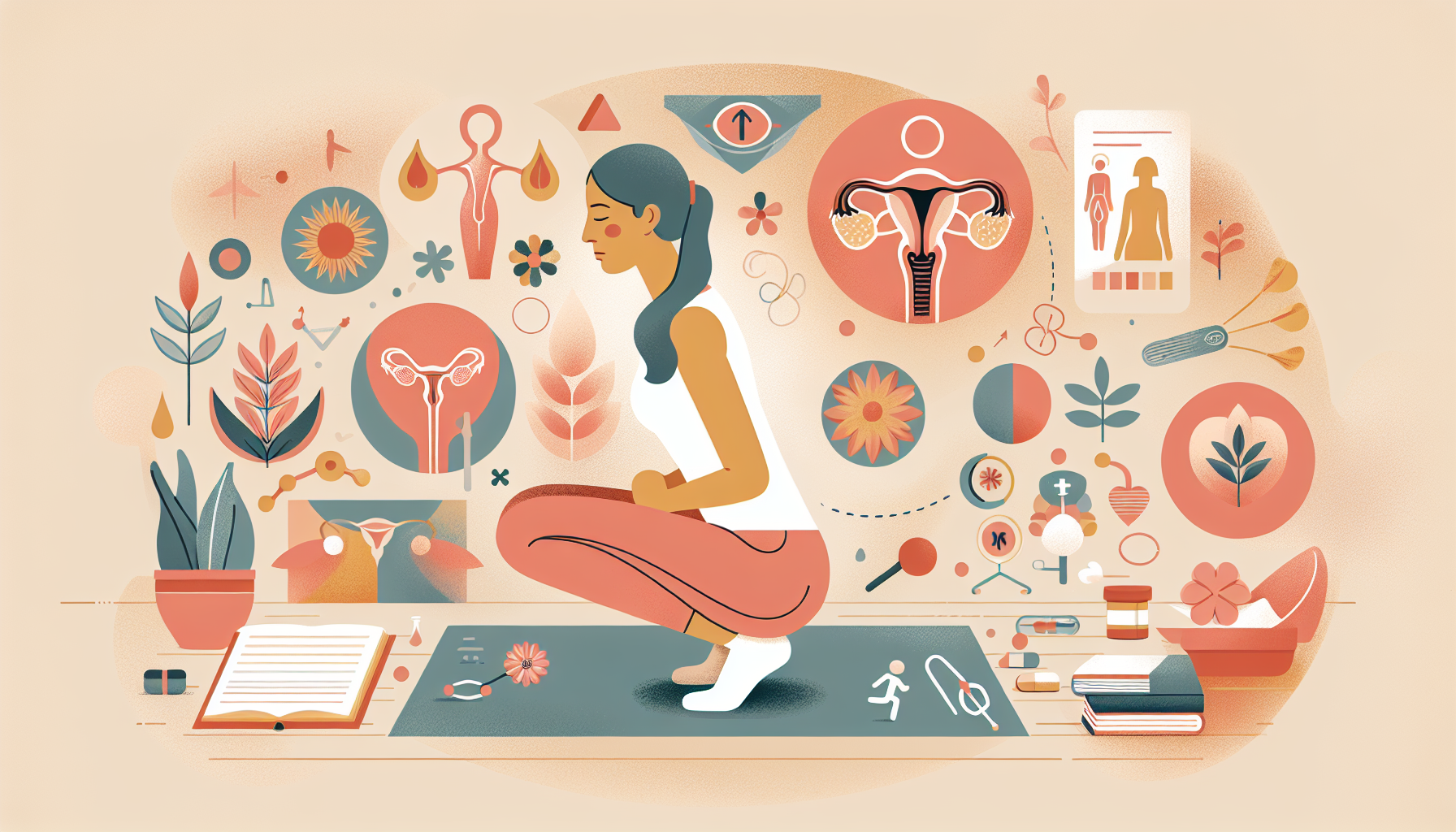
[Image placeholder: Simple illustration of pelvic floor muscles and their function]
What Is the Pelvic Floor?
The pelvic floor is a group of muscles stretching across the bottom of your pelvis like a hammock or trampoline.
These muscles:
- Support your bladder, uterus, and rectum
- Control urination and bowel movements
- Contribute to sexual function
- Stabilize your core and pelvis
- Support your baby during pregnancy
During pregnancy and birth:
- Extra weight puts pressure on these muscles
- Hormones soften connective tissue
- Vaginal delivery stretches muscles significantly
- Even C-sections follow pregnancy strain
This is why pelvic floor issues are so common postpartum—and why recovery matters.
Signs of Pelvic Floor Weakness
Common symptoms:
- Leaking urine when coughing, sneezing, laughing, or jumping
- Urgency (sudden, intense need to urinate)
- Difficulty fully emptying bladder
- Pelvic pressure or heaviness
- Pain during sex
- Difficulty controlling gas
- Feeling like something is “falling out”
- Lower back pain
Important: These symptoms are common, but they’re not something you just have to live with. Improvement is possible.
When to Start Pelvic Floor Exercises
Immediately Postpartum
Light pelvic floor engagement can begin within days of birth, once you feel ready.
Simple beginning:
- Gentle awareness (can you feel the muscles?)
- Very light contractions
- Focus on relaxation as much as contraction
- No straining or pushing
First 6 Weeks
Continue gentle work. Focus on:
- Finding and feeling the muscles
- Building mind-muscle connection
- Gentle, consistent practice
- Not overdoing it
After 6-Week Checkup
With clearance from your provider, progress to more structured strengthening.
Note: If you have significant symptoms, ask for a referral to a pelvic floor physical therapist. They’re specialists in this area.
Related: Gentle Postpartum Exercises
Finding Your Pelvic Floor Muscles
Before exercising these muscles, you need to know you’re targeting the right ones.
Method 1: Stop the Stream
Next time you urinate, try to stop the flow midstream. The muscles you use are your pelvic floor muscles.
Important: Don’t do this regularly—just once or twice to identify the muscles. Stopping urination frequently can cause issues.
Method 2: Imagine
Imagine you’re trying to:
- Hold in gas
- Stop urinating
- Pick up a marble with your vagina
The muscles you engage are your pelvic floor.
Method 3: Internal Check
If comfortable, insert a clean finger into your vagina and try to squeeze around it. You should feel tightening if you’re engaging correctly.
Signs You’re Doing It Wrong
Not your pelvic floor:
- Squeezing your buttocks
- Tightening your thighs
- Holding your breath
- Pulling your belly way in
- Bearing down instead of lifting up
The correct feeling is a subtle internal lift and squeeze.
Basic Pelvic Floor Exercises (Kegels)
The Standard Kegel
How to do it:
- Relax your body
- Engage your pelvic floor (lift and squeeze)
- Hold for 3-5 seconds
- Release fully for 3-5 seconds
- Repeat 10-15 times
Breathing: Breathe normally throughout. Don’t hold your breath.
Frequency: 3 sets per day
Quick Flicks
How to do it:
- Contract pelvic floor quickly and firmly
- Release immediately
- Repeat quickly 10-15 times
Purpose: Builds reactive strength (for coughs, sneezes)
Long Holds
How to do it:
- Contract pelvic floor
- Hold for 10 seconds (build up to this)
- Release fully
- Repeat 5-10 times
Purpose: Builds endurance
Elevator Kegels
How to do it:
- Imagine your pelvic floor is an elevator
- Contract lightly—first floor
- Contract more—second floor
- Contract fully—third floor
- Lower back down gradually
- Fully release—basement
Purpose: Builds control and awareness
[Image placeholder: Visual guide to Kegel exercise positions]
Beyond Kegels: Functional Exercises
Kegels alone aren’t enough. Your pelvic floor works with your entire core system.
Diaphragmatic Breathing
Why it matters: The diaphragm and pelvic floor work together. Proper breathing supports pelvic floor function.
How to do it:
- Lie on back, knees bent
- Place hand on belly
- Breathe in, letting belly rise
- Breathe out, feeling belly fall
- Notice pelvic floor: it descends on inhale, lifts on exhale
- Practice 5-10 breaths
Bridge with Pelvic Floor Engagement
How to do it:
- Lie on back, knees bent, feet flat
- Exhale and gently engage pelvic floor
- Lift hips toward ceiling
- Hold 5-10 seconds, maintaining pelvic floor engagement
- Lower slowly
- Release pelvic floor
- Repeat 10-15 times
Clamshells
How to do it:
- Lie on side, knees bent, feet together
- Engage pelvic floor gently
- Lift top knee while keeping feet together
- Lower with control
- Repeat 15 times each side
Bird Dog
How to do it:
- Start on hands and knees
- Exhale, engage pelvic floor and core
- Extend opposite arm and leg
- Hold 3-5 seconds
- Return and repeat other side
- 10 repetitions each side
Dead Bug
How to do it:
- Lie on back, arms toward ceiling, knees bent at 90 degrees
- Exhale, engage pelvic floor
- Lower opposite arm and leg toward floor
- Return to start, switch sides
- 10 repetitions each side
Related: Diastasis Recti Exercises
Pelvic Floor Relaxation
Important: Pelvic floor strength isn’t just about tightening. The muscles also need to relax fully.
Why Relaxation Matters
Overactive pelvic floor symptoms:
- Pelvic pain
- Painful sex
- Difficulty urinating
- Chronic tension
Some women (especially those with trauma history or high stress) hold tension in the pelvic floor and need to focus on release as much as strengthening.
Relaxation Exercises
Deep breathing:
Inhale and visualize your pelvic floor descending, opening, relaxing.
Happy baby pose:
Lie on back, grab feet, open knees. Breathe and let pelvic floor relax.
Child’s pose:
Kneel, sit back toward heels, extend arms forward. Breathe into your back and pelvis.
Butterfly stretch:
Sit with soles of feet together, knees open. Breathe and allow pelvic floor to release.
Lifestyle Factors
Bathroom Habits
Improve pelvic floor health:
- Don’t “just in case” pee (wait until you actually need to go)
- Sit fully on the toilet (don’t hover)
- Relax pelvic floor to urinate—don’t push
- Respond to urges reasonably promptly
- Stay hydrated (concentrated urine irritates bladder)
Movement
Help your pelvic floor:
- Avoid high-impact exercise until pelvic floor is strong
- Progress gradually with running, jumping
- Engage pelvic floor before lifting heavy things
- Mind your posture
Constipation
Straining is hard on the pelvic floor:
- Eat plenty of fiber
- Stay hydrated
- Don’t delay bowel movements
- Use a stool under feet for better positioning
When to See a Specialist
Pelvic Floor Physical Therapist
Consider a referral if:
- Symptoms persist beyond 6 weeks postpartum
- Leaking significantly impacts your life
- You have pelvic pain
- You’re not sure if you’re doing exercises correctly
- You’ve tried exercises without improvement
What they do:
- Internal assessment (if you consent)
- Customized exercise program
- Hands-on treatment
- Biofeedback tools
- Address specific dysfunction
Signs of Prolapse
See a provider if you notice:
- Bulging or pressure in vaginal area
- Feeling like something is falling out
- Visible bulge
- Difficulty with bowel movements
Prolapse is treatable, especially when caught early.
FAQ
How long until I see improvement?
Many women notice improvement within 4-6 weeks of consistent exercise. Significant strengthening takes 3-6 months of regular practice.
I leak when I run. Will I ever run again?
Yes, with proper pelvic floor rehabilitation and gradual return to running. Many women need to strengthen first before high-impact activity.
Are Kegels enough, or do I need more?
Kegels help, but functional exercises that incorporate the whole core system are more effective. Also, some women need relaxation work, not strengthening.
Can I do too many Kegels?
Yes. Overdoing it or holding tension constantly can create problems. Focus on quality contractions AND full releases. 3 sets of 10-15 per day is plenty.
Is leaking normal forever after having kids?
No. Common doesn’t mean normal or acceptable. Improvement is almost always possible with the right approach.
Conclusion
Your pelvic floor has been through a lot. Pregnancy and birth—regardless of delivery method—put significant strain on these essential muscles. Some degree of weakness or dysfunction postpartum is extremely common.
But common doesn’t mean permanent. With consistent pelvic floor exercises, attention to relaxation as well as strengthening, and professional help when needed, most women can significantly improve or fully resolve pelvic floor issues.
You don’t have to accept leaking, pain, or pressure as your new normal. Your pelvic floor can heal. Give it the attention it deserves.
Disclaimer: This content is for informational purposes only and does not constitute medical advice. Consult your healthcare provider before beginning any exercise program postpartum, especially if you have significant pelvic floor symptoms.
Related: Gentle Postpartum Exercises